
Ecommerce Fulfillment
Lightweight protection and pack-out speed for high-variation order profiles.
Chevron Phillips helps sourcing, engineering and plant reliability teams connect material chemistry with motion control performance, so hose assemblies, rubber parts and polymer applications can move from requirement review to qualified supply with fewer late-stage surprises.
Lightweight protection and pack-out speed for high-variation order profiles.
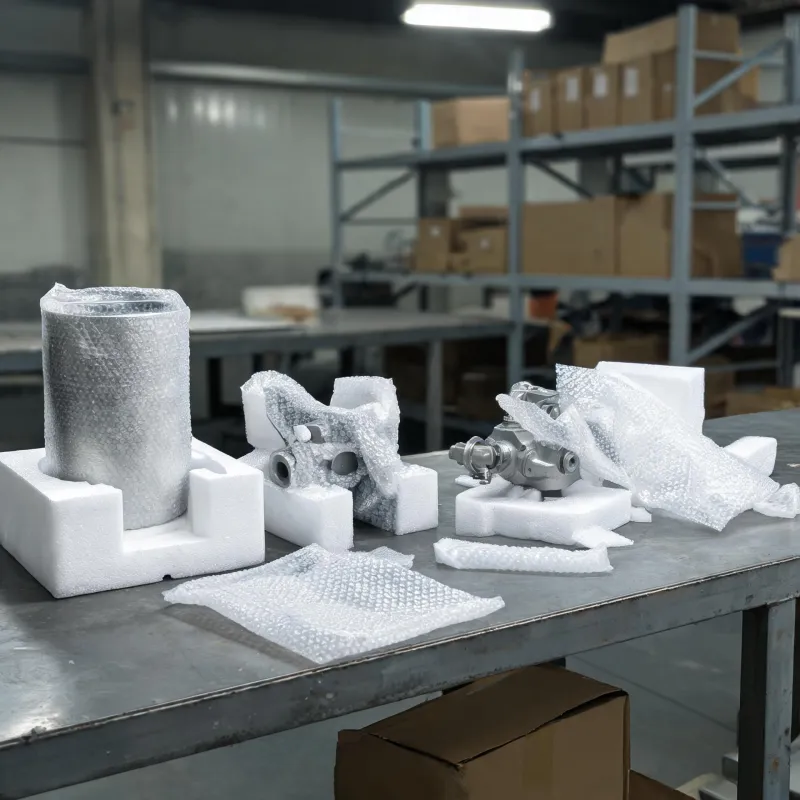
Cushioning and surface protection for machined, coated, or assembled products.
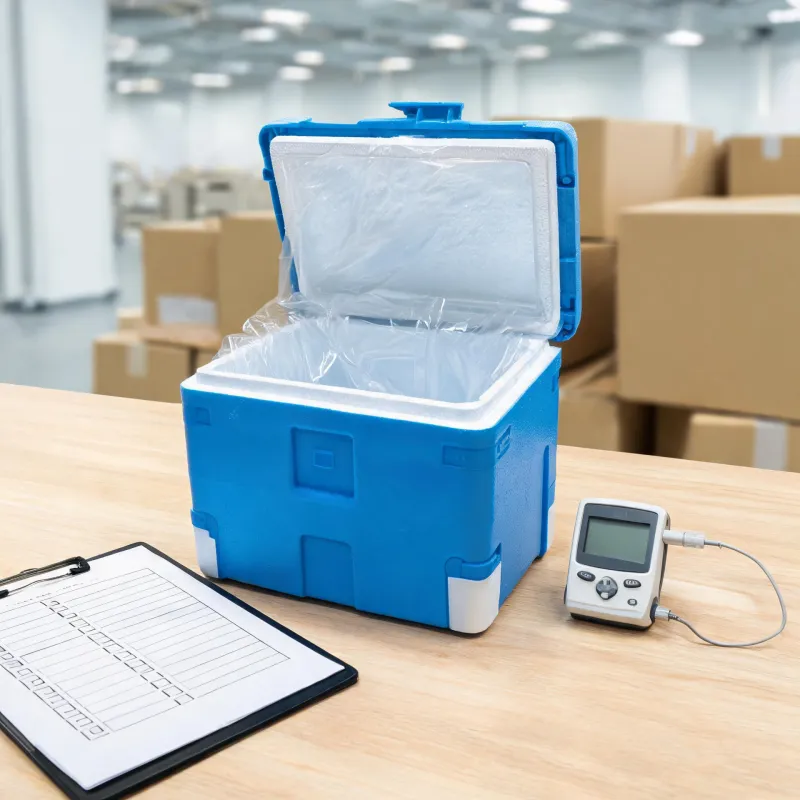
Material choices aligned to handling time, lane stress, and storage constraints.

Protective formats that balance presentation, waste goals, and damage reduction.
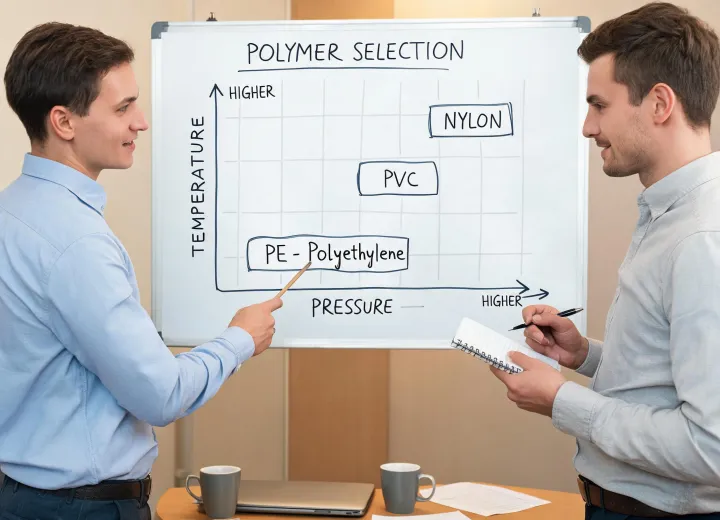
Clear explanations first
Chevron Phillips summarizes what each material family does well, where it struggles, and which test or compliance document should be checked before you spend time on samples.
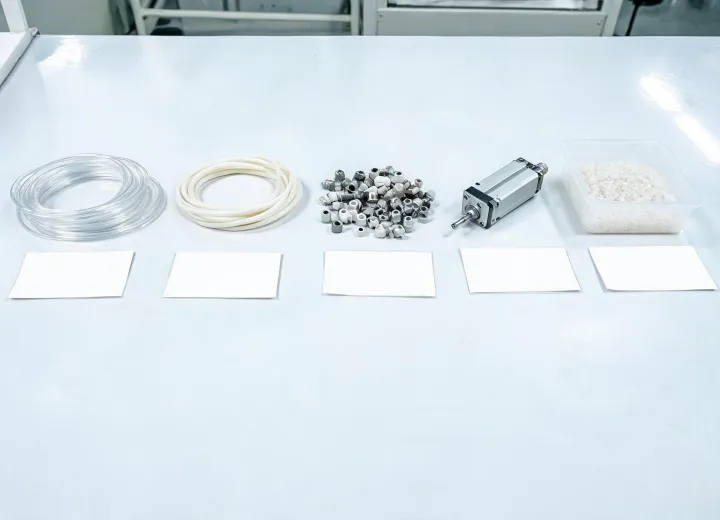
Sample-friendly support
Our advisors help narrow a short list, note likely risks, and define what a useful sample kit should contain so your team does not evaluate ten options when three would do.
“Chevron Phillips helped our purchasing and process teams speak the same language before we requested samples. That saved a full round of supplier clarification.”
Procurement Lead, molded industrial components program
Yes. The review can compare hardness, abrasion, flex life, chemical resistance, processing route, and expected qualification burden.
Start with TDS, SDS, regulatory statements, region-specific compliance notes, and any available food-contact or biocompatibility guidance.
Yes. The conversation should define target percentage, certification expectations, color limits, mechanical retention, and customer claim language.
Often. Packaging decisions add barrier performance, seal windows, printing behavior, shelf-life testing, and end-of-life considerations.
Chevron Phillips can respond more usefully when the inquiry includes temperature, chemical contact, pressure or compression load, regulatory geography, annual volume and the current qualification stage.